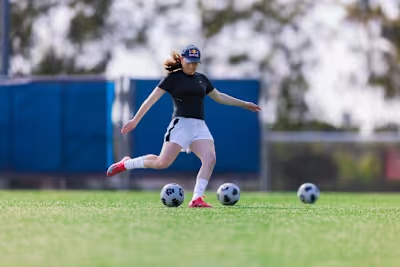
Inside the Rise of Women’s Soccer
How the women’s game is capturing hearts and breaking records worldwide.
Inside the Rise of Women’s Soccer
Women’s soccer has evolved from being an underappreciated sport to becoming one of the fastest-growing athletic movements in the world. Packed stadiums, record-breaking television audiences, increased sponsorships, and professional league expansion are transforming the landscape of women’s football. From grassroots development to elite international competitions, women’s soccer is experiencing unprecedented growth. The FIFA Women’s World Cup, UEFA Women’s Champions League, National Women’s Soccer League (NWSL), and domestic leagues across Europe continue to attract millions of fans worldwide.
In this article, we’ll explore the remarkable rise of women’s soccer, the key factors behind its success, the challenges that remain, and why the future has never looked brighter.
The History of Women’s Soccer
Although women’s soccer has existed for more than a century, it has often faced social barriers and limited institutional support. During the early 20th century, several countries restricted women’s participation in football. However, dedicated athletes continued to push the sport forward despite limited opportunities. A turning point arrived when FIFA officially organized the inaugural FIFA Women’s World Cup in 1991. Since then, participation, investment, and fan engagement have steadily increased. Today, women’s soccer is played professionally in dozens of countries and enjoys growing international recognition.

Why Women’s Soccer Is Growing So Fast
1. Record-Breaking FIFA Women’s World Cup
The FIFA Women’s World Cup has become one of the largest sporting events in the world. The 2023 tournament attracted approximately 2 billion global viewers, while nearly 2 million fans attended matches in person, demonstrating the worldwide appeal of women’s football. These milestones have encouraged broadcasters, sponsors, and investors to commit even more resources to the women’s game.
2. Increased Investment from FIFA
FIFA has introduced ambitious development programs to expand women’s football globally.
Key initiatives include:
- Increasing female participation worldwide
- Supporting national football associations
- Improving coaching education
- Developing youth competitions
- Strengthening professional leagues
FIFA’s long-term objective is to reach 60 million female players globally through sustained investment and development programs.
3. Professional Leagues Are Expanding
Professional women’s leagues are becoming more competitive and commercially successful.
Major competitions include:
- National Women’s Soccer League (USA)
- Women’s Super League (England)
- Liga F (Spain)
- Frauen-Bundesliga (Germany)
- Division 1 Féminine (France)
These leagues now attract global talent, larger sponsorship deals, and increased television coverage.
4. Rising Sponsorship and Media Coverage
Major brands increasingly recognize the commercial potential of women’s soccer. Global companies now sponsor clubs, leagues, and international tournaments, while broadcasters dedicate significantly more airtime to women’s competitions. The result is greater visibility for players and improved financial sustainability across the sport.
The Role of Star Players
Elite athletes have helped transform women’s soccer into a global spectacle. Some of the sport’s most influential players include:
- Marta
- Alex Morgan
- Megan Rapinoe
- Sam Kerr
- Aitana Bonmatí
- Alexia Putellas
These athletes inspire millions through their performances while advocating for equality, youth participation, and better professional opportunities.
Growth in Youth Participation
Grassroots football has become one of the strongest drivers of women’s soccer. Many football associations now invest heavily in:
- Girls’ youth academies
- School football programs
- Community leagues
- Coaching education
- Talent identification systems
Expanding opportunities at the youth level helps build stronger national teams and sustainable professional pathways.
Technology and Social Media Have Changed the Game
Digital platforms have dramatically increased the visibility of women’s soccer. Fans now follow players through:
- TikTok
- YouTube
- X (formerly Twitter)
Streaming platforms also make league matches more accessible than ever before, helping clubs grow international fan bases.
Economic Impact of Women’s Soccer
Women’s soccer has become an important contributor to the global sports economy. According to FIFA and the World Trade Organization, the FIFA Women’s World Cup 2023 generated an estimated USD 1.9 billion in global GDP impact, highlighting the sport’s growing economic significance. Commercial growth includes:
- Broadcasting rights
- Sponsorship revenue
- Ticket sales
- Merchandise
- Tourism
- Local business investment
Challenges Still Facing Women’s Soccer
Despite remarkable progress, several issues remain.
Pay Disparity
Many professional female players still earn considerably less than their male counterparts, particularly outside the world’s leading leagues.
Limited Infrastructure
Some countries continue to lack quality training facilities, youth academies, and professional pathways for female athletes.
Unequal Media Coverage
Although coverage has improved significantly, men’s competitions still receive substantially greater media attention in many markets.
Professional Opportunities
Not every country offers fully professional women’s leagues, limiting career options for talented players.
The Future of Women’s Soccer
The future looks exceptionally promising. Recent developments include:
- Expansion of the FIFA Women’s World Cup to 48 teams beginning in 2031
- Growing investment in domestic leagues
- Increased sponsorships
- Higher television audiences
- Greater youth participation worldwide
These trends indicate that women’s soccer will continue to become more competitive, commercially successful, and globally influential.
Why Fans Are Embracing Women’s Soccer
Supporters appreciate women’s soccer because it offers:
- Fast-paced, technical football
- Competitive international tournaments
- Inspiring athlete stories
- Family-friendly matchday experiences
- Affordable ticket prices in many leagues
- Strong community engagement
As awareness grows, more fans are discovering the excitement and quality of the women’s game.
Final Thoughts
The rise of women’s soccer represents one of the most exciting transformations in modern sports. Increased investment, world-class athletes, expanding professional leagues, and growing global audiences have elevated the game to new heights.
While challenges such as pay equity, infrastructure, and media representation remain, the momentum behind women’s football is undeniable. With continued support from governing bodies, clubs, sponsors, and fans, the future of women’s soccer is brighter than ever.
Whether you’re a lifelong supporter or a newcomer to the sport, now is the perfect time to experience the passion, skill, and global impact of women’s soccer.
References
- FIFA Women’s Football Strategy: https://inside.fifa.com/womens-football/strategy/develop-and-grow
- FIFA Women’s Football Development: https://inside.fifa.com/womens-football/news
- FIFA Women’s World Cup Economic Impact Study: https://inside.fifa.com/womens-football/media-releases/fifa-wto-study-shows-economic-impact-of-the-fifa-womens-world-cup-2023-tm
- FIFA Women’s Football Landscape Survey: https://inside.fifa.com/womens-football/news/fifa-releases-global-womens-football-landscape-survey-report